
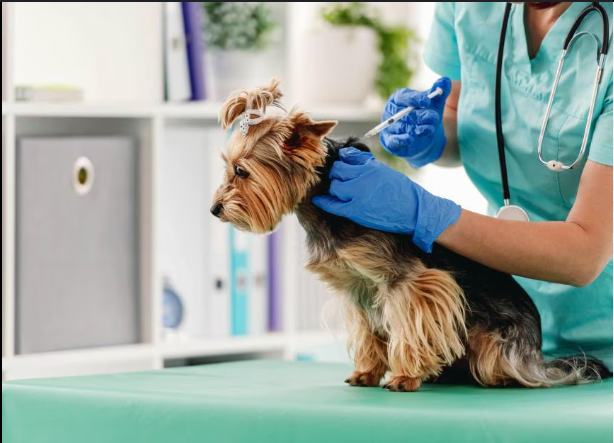

Caring for your pet during emergencies is frightening. Understanding critical care protocols can make all the difference. As a Sumter veterinarian, you face life-threatening situations where swift actions matter. These protocols are clear steps to follow. They are not just instructions. They are lifelines. You may wonder why these are necessary. The answer is simple. They save pets’ lives. You need to know these protocols before emergencies happen. Reading about them now prepares you. When the time comes, you will be ready. You will act with knowledge and composure. This can lead to a better chance for your pet’s recovery. This understanding gives you peace of mind. Your pet relies on your readiness. In the following sections, you will discover five essential protocols. These are not complex. They are straightforward and powerful. Remember each one. They can transform a potential tragedy into a story of survival.
1. Basic Life Support (BLS)
When a pet stops breathing or their heart stops, Basic Life Support is crucial. It involves chest compressions and rescue breaths. Begin with chest compressions. Position your hands over the widest part of the chest. Compress firmly and quickly. Aim for 100-120 compressions per minute. For rescue breaths, extend the animal’s neck and close its mouth. Breathe into their nose until you see the chest rise. Alternate between 30 compressions and two breaths.
Make sure you practice these techniques. Consider attending a pet CPR class offered by organizations such as the American Red Cross. Your preparation could be the key difference for your pet.
2. Control of Bleeding
Severe bleeding can lead to shock or death. When you encounter such a situation, stay calm. First, apply direct pressure to the wound using a clean cloth or bandage. Maintain pressure until the bleeding stops. If bleeding persists, apply more layers rather than removing the initial covering.
If the bleeding is from a limb, it may help to elevate it above heart level. Avoid using tourniquets unless absolutely necessary. They can cause additional injury if applied improperly.
3. Treating Shock
Shock occurs when there is insufficient blood flow to organs. Look for signs such as rapid heartbeat, pale gums, weakness, or confusion. If you suspect shock, keep your pet warm. Use a blanket but leave their head exposed for breathing.
Gently position them on their side and elevate the hind legs slightly. This helps blood return to vital organs. Rapid transport to a veterinarian is vital. You can find more detailed guidelines on shock treatment from the American Veterinary Medical Association.
4. Handling Toxin Exposure
Accidental toxin ingestion is common. Quickly determine what your pet ingested. Call your veterinarian or a poison control hotline immediately. Provide them with the substance name, the amount ingested, and any symptoms.
Inducing vomiting is not always the best approach. Never do so without professional advice. Some substances can cause more harm if vomited. Act swiftly but safely. Speed and accurate information are your allies.
5. Stabilizing Fractures
A fractured limb requires careful handling. Avoid moving the limb more than necessary. Wrap it with a soft towel to minimize movement. You can use a splint for support. This can be a flat piece of wood or rolled magazine taped gently in place.
Do not attempt to realign the bone. Focus on immobilizing the area. Transport your pet to a veterinary clinic promptly. Proper care ensures the best recovery.
Comparison Table of Protocols
These protocols are your guide in emergencies. Each step you take can change outcomes. Equip yourself with this knowledge. Your pet’s life may depend on it. Practice and understand these protocols. Emergencies test your readiness. But with preparation, you can face them with confidence and composure. Your pet counts on you. Be their hero.
