
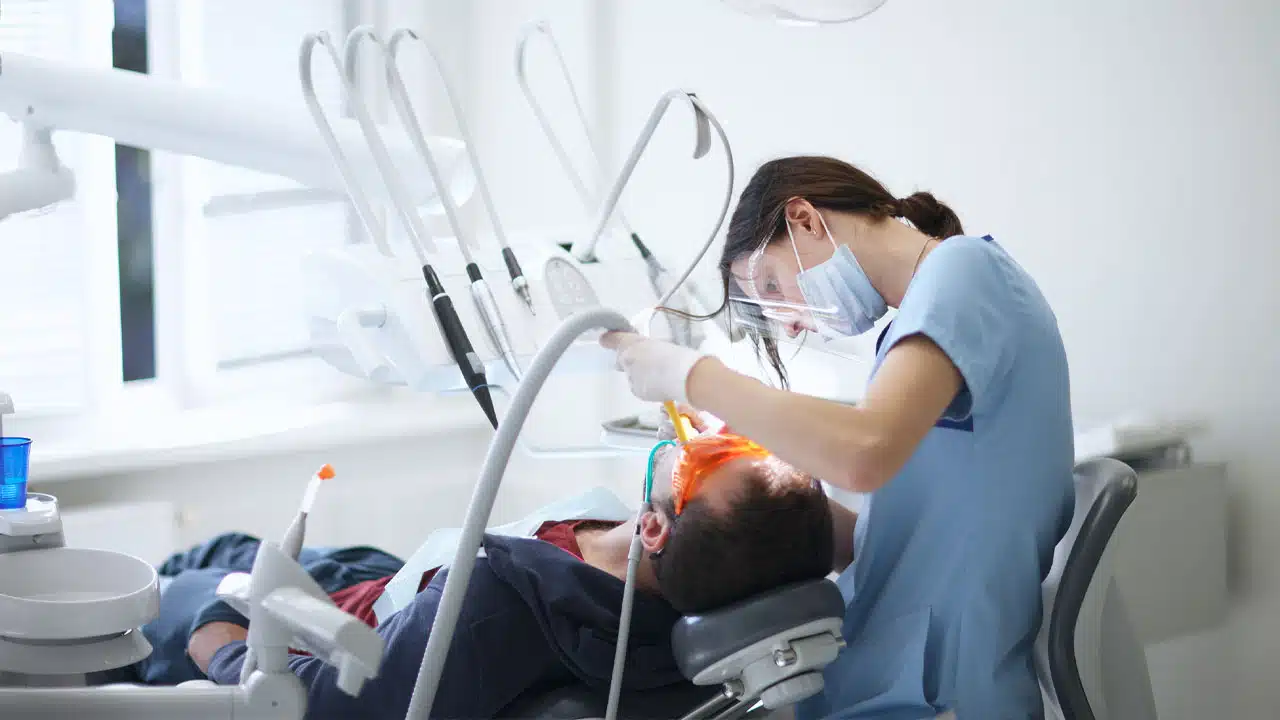

You might not expect it, but your dentist plays a secret role in noticing changes in your hormones. Hormones don’t just affect mood or skin. They can also change your oral health. This is where family dentistry in Sterling steps in. Your dentist can spot these changes. They notice signs like swollen gums or bleeding. These signs often link to changes in your hormones. Hormonal shifts during puberty, pregnancy, and menopause affect your gums and teeth. Regular check-ups mean your dentist can catch these early. Early detection helps in managing and preventing more significant issues. So, when you visit your dentist, remember they’re not just checking for cavities. They help you understand how your body changes over time. This gives you a better chance to take control of your health. Trust your dentist to be part of this journey. They offer the insight you need, beyond teeth cleaning.
Understanding Hormonal Changes
Hormonal changes occur at different life stages. Puberty, pregnancy, and menopause are key periods. Each stage impacts oral health in unique ways. During puberty, increased hormones can lead to swollen gums. In some cases, this may result in gingivitis. Pregnancy brings another set of challenges. Pregnant women may experience “pregnancy gingivitis.” This condition involves inflammation and bleeding of the gums. Menopause can lead to dry mouth and bone loss, affecting tooth support.
The Dentist’s Insight
Your dentist can identify hormonal changes through specific oral signs. For instance, gums may become more sensitive or swollen. Bleeding during brushing or flossing can also occur. Dentists are trained to recognize these signs. They provide guidance on managing symptoms and preventing further issues. By understanding oral health, you gain insight into your overall well-being.
Why Regular Check-Ups Matter
Regular dental visits are crucial. They allow your dentist to monitor changes over time. Consistent check-ups mean early detection and prevention. This proactive approach can save you from more serious conditions. They provide comprehensive resources on oral health and its connection to overall health.
Common Hormonal Changes and Their Oral Effects
| Life Stage | Hormonal Change | Oral Effects |
| Puberty | Increase in sex hormones | Swollen, sensitive gums; possible gingivitis |
| Pregnancy | Increased levels of estrogen and progesterone | Pregnancy gingivitis; increased risk of cavities |
| Menopause | Decrease in estrogen | Dry mouth; increased bone loss |
Empowering Yourself Through Knowledge
Understanding how hormones affect your oral health is empowering. By working with your dentist, you take charge of your health. Partnering with your dentist allows for personalized care tailored to your needs. They offer further insights into the intersection of hormonal health and dental care.
Conclusion
Your dentist plays a crucial role in monitoring hormonal changes through oral health. They offer a unique perspective and early warning signs for potential issues. Embrace their expertise as part of your healthcare team. Regular visits not only protect your smile but also support your overall well-being. Remember, oral health is a window into your body’s changing landscape. Stay informed, stay healthy, and make your dentist a trusted partner in your health journey.
