
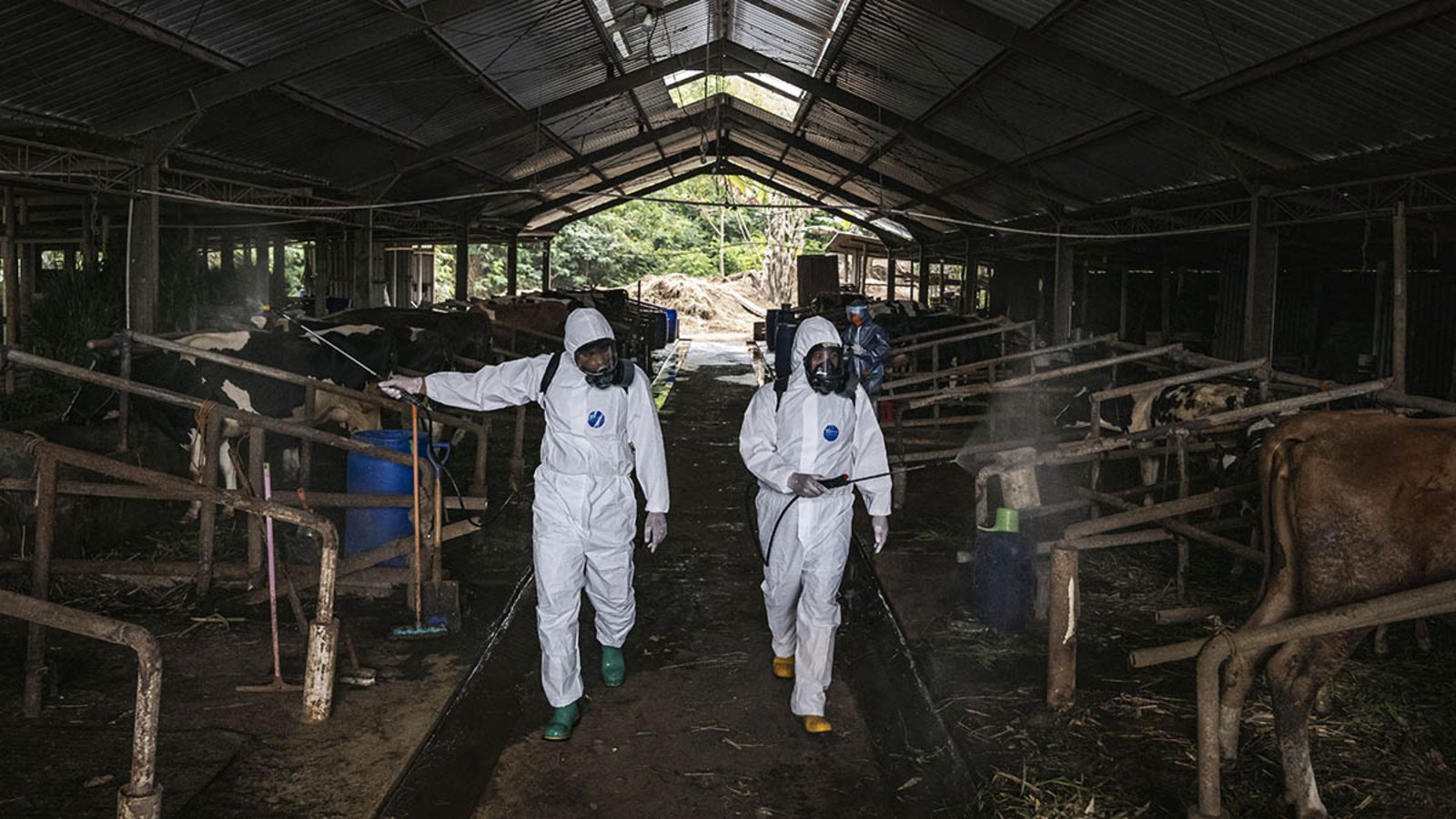

Emerging zoonotic diseases can pose serious health risks to both humans and animals. Your proactive role is crucial. Animal clinics play an important part in managing these diseases. An animal clinic in Clearwater, FL, can help monitor symptoms in pets. This early detection protects your community from larger outbreaks. Clinics offer vaccinations and guidance that reduce transmission risks. Vaccinated pets act as barriers, slowing disease spread. Clinics also provide essential education to pet owners. They emphasize hygiene and responsible pet care. This empowers you and keeps your pets healthy. Veterinarians stay ahead of emerging threats. They work closely with health authorities. Their collaboration ensures the best response strategies. Clinics’ roles go beyond treating sick animals. They act as guardians of public health. By visiting your local clinic, you contribute to a safer environment. This partnership between clinics and communities can reduce the spread of diseases. Protect yourself and your pets today.
Understanding Zoonotic Diseases
Zoonotic diseases are infections transmitted between animals and humans. They include viruses, bacteria, and other pathogens. Recognizing these diseases is key to prevention. Clinics help identify zoonotic diseases early. Early detection can prevent larger outbreaks.
Role of Vaccinations
Animal clinics offer vaccinations to protect pets. Vaccinations prevent the spread of diseases like rabies and Lyme disease. By vaccinating your pets, you help build a barrier against diseases. This barrier reduces the risk of transmission to humans.
Importance of Regular Check-Ups
Routine visits to animal clinics mean early detection of zoonotic diseases. Early detection allows for timely treatment. Treatment can reduce the severity of diseases. Regular check-ups also help monitor your pet’s overall health. A healthy pet is less likely to transmit diseases.
Educational Role of Clinics
Clinics educate pet owners about zoonotic diseases. They provide guidance on hygiene and responsible pet care. This knowledge empowers you to protect your family and community. Educated owners can take precautions to reduce the risk of disease spread.
Collaboration with Health Authorities
Animal clinics work with health authorities to manage disease outbreaks. They share data and insights on emerging threats. This cooperation ensures effective response strategies. Together, they monitor trends in zoonotic diseases and implement proper measures.
A Look at Common Zoonotic Diseases
| Disease | Transmission | Prevention |
| Rabies | Bites from infected animals | Vaccination |
| Lyme Disease | Tick bites | Tick control and vaccination |
| Ringworm | Contact with infected animals | Good hygiene and regular vet visits |
Steps You Can Take
- Keep up with your pet’s vaccinations.
- Schedule regular check-ups.
- Practice good hygiene, like hand washing after pet contact.
- Monitor your pet for signs of illness.
Local Clinics as Resources
Your local clinic is a valuable resource. They provide the knowledge and tools to keep your pet healthy.
Conclusion
Animal clinics are essential in managing zoonotic diseases. They offer vaccinations, check-ups, and education. By working with health authorities, they safeguard public health. Your role in this partnership is crucial. Regular visits and good pet care practices can protect your family and community. Together, we can manage zoonotic diseases and keep everyone safe.
