
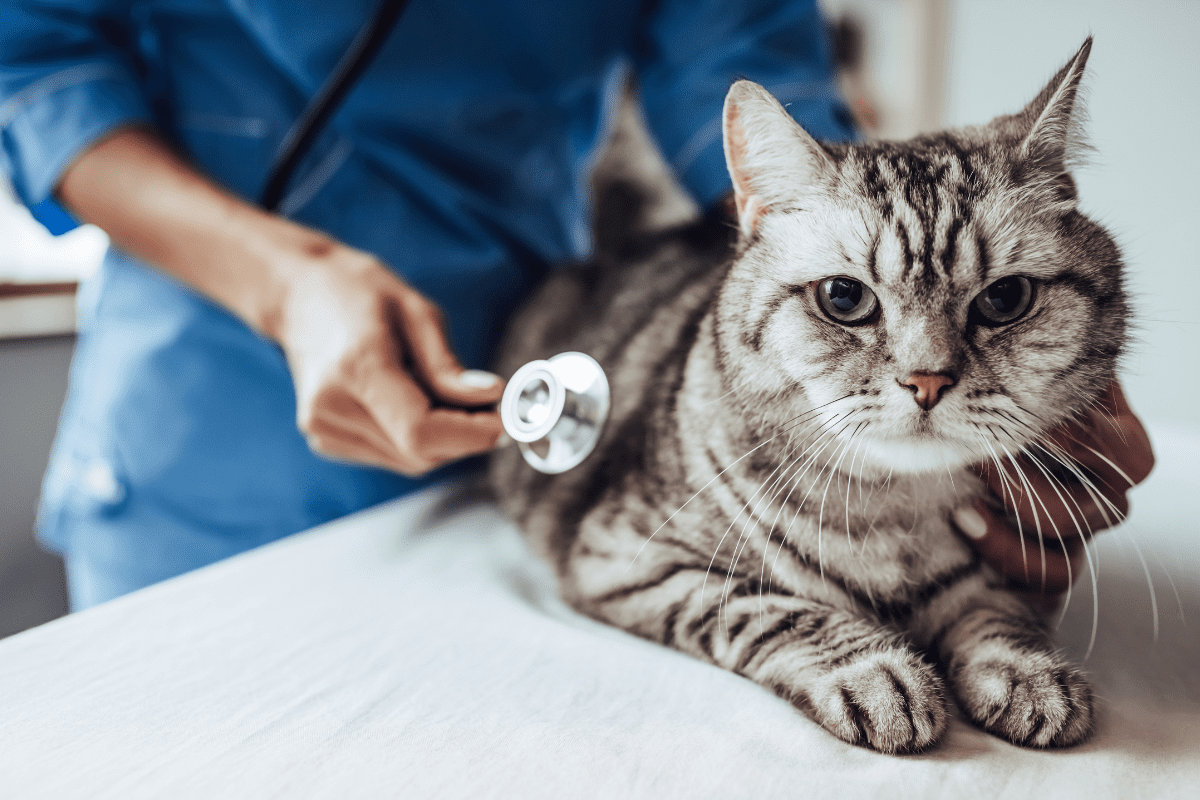

You love your pet, and their health is a top priority. A regular check-up with a veterinarian in Long Beach, CA can help ensure they stay healthy and happy. Knowing when your pet needs more than the usual care can be challenging. The signs aren’t always obvious, but they are important. If you spot these signs early, you can prevent bigger problems. Keep an eye out for changes in behavior, eating patterns, or energy levels. Notice if your pet seems uncomfortable when moving. Pay attention to their coat and skin condition. These can all signal a need for a thorough wellness exam. Regular care is key to a long and healthy life. This blog will guide you through the five signs that indicate a wellness exam is due. You’ll learn how to spot these signs and what actions to take. Prioritize your pet’s health today.
1. Changes in Eating Habits
Sudden changes in your pet’s appetite can be a warning sign. If your pet is eating less or more than usual, it could point to health issues. Weight loss or gain without a diet change is concerning. These changes might indicate dental issues, digestive problems, or metabolic disorders. It’s crucial to address these concerns early by consulting a professional.
According to the American Veterinary Medical Association, regular check-ups can detect problems early. Early detection means more options for treatment and better outcomes. Monitor your pet’s food and water intake, and report any changes to your veterinarian.
2. Behavioral Changes
Behavior shifts in pets can signal stress or illness. If your pet becomes aggressive or lethargic, take note. Increased anxiety or changes in sleep patterns also warrant attention. These behaviors might indicate pain, discomfort, or neurological problems. It’s best to consult a veterinarian if you notice any unusual behavior.
The Texas A&M College of Veterinary Medicine & Biomedical Sciences suggests that behavioral changes are often one of the first signs something is wrong. Whether it’s increased hiding or sudden vocalization, don’t ignore these hints.
3. Mobility Issues
If your pet hesitates to jump or struggles with stairs, they may have mobility problems. Limping, stiffness, or difficulty rising from rest are signs of joint or muscle issues. These can be due to arthritis, injury, or other underlying conditions.
Regular exams can identify problems early, allowing for interventions that improve quality of life. For older pets, maintaining mobility is crucial. It helps them stay active and prevents further complications.
4. Coat and Skin Conditions
Your pet’s skin and coat reveal much about their health. Dull fur, excessive shedding, or bald patches can indicate underlying issues. Allergies, parasites, or infections are common problems that affect skin and coat health.
| Sign | Possible Cause |
|---|---|
| Dull Coat | Nutrition Deficiency |
| Bald Patches | Parasites |
| Excessive Shedding | Allergies |
A wellness exam can help diagnose the cause and start effective treatments. Keeping your pet’s skin healthy is essential for their overall well-being and comfort.
5. Changes in Energy Levels
Noticeable energy shifts can indicate health problems. If your pet is unusually tired or hyperactive, take note. Low energy might suggest anemia, heart problems, or infections. Conversely, hyperactivity could signal thyroid issues or metabolic disorders.
Regular assessments provide a baseline for your pet’s health. Comparing current energy levels to past exams helps in spotting trends. Being proactive about these changes can make a significant difference.
In conclusion, regular wellness exams are crucial for your pet’s health. Skipping these exams might mean missing early signs of health issues. Remember, early detection often leads to better treatment outcomes. Stay observant, and consult your veterinarian if you notice any of these signs. Your pet’s health and happiness are in your hands. Make informed choices and prioritize their well-being today.
