

Production lines that rely on powder coating are only as efficient as the tools driving them. Over time, outdated systems begin to show their age through slower output, uneven finishes, and higher rework rates. Knowing when to upgrade powder coating equipment can make the difference between maintaining consistent productivity and falling behind competitors.
Older Spray Systems Can No Longer Maintain Consistent Film Thickness
In powder coating operations, uniform film thickness determines both the visual appeal and durability of the finish. Aging spray systems often lose their ability to maintain steady powder flow and electrostatic charge, leading to uneven layers. Inconsistency across parts results in wasted materials and additional labor hours spent correcting defects.
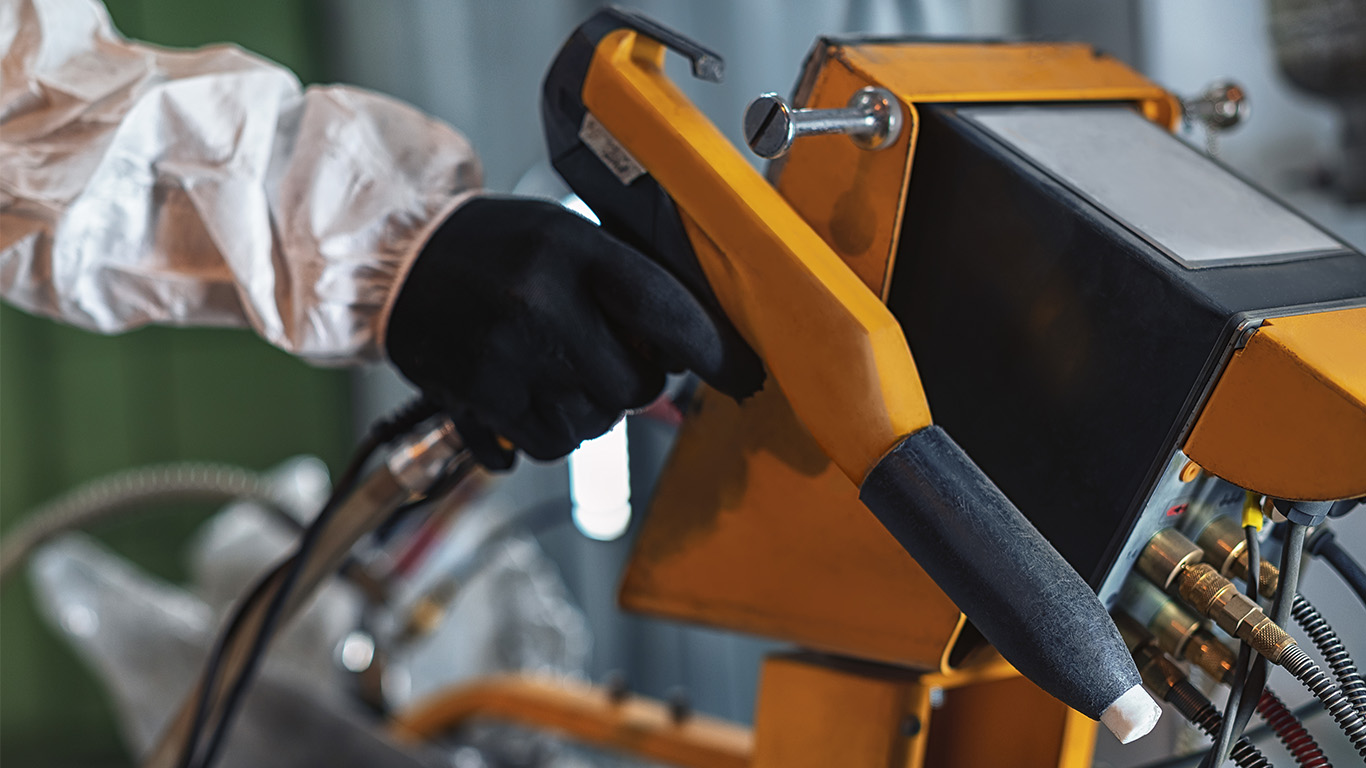
As professional powder coating guns advance in precision and control, they minimize these variations by delivering consistent coverage at optimized flow rates. Investing in newer systems ensures smoother finishes, better transfer efficiency, and higher-quality results across each batch, especially for companies running large-volume projects.
Conveyor Slowdowns Reveal the Limits of Existing Booth Ventilation
Production efficiency in a powder coating booth depends heavily on airflow and powder capture. Older ventilation systems can’t always handle increased throughput, causing powder buildup, overspray contamination, and slower conveyor movement. This directly impacts cycle times and overall production output.
Modern powder coating spray booth designs integrate better filtration, balanced airflow, and adjustable fan speeds to maintain steady material flow and visibility inside the booth. By upgrading, operators reduce manual cleanup time and prevent airflow bottlenecks that slow conveyors and compromise coating consistency.
Downtime from Clogged Guns Interrupts Production Schedules
Frequent clogging in spray equipment is one of the clearest signs that existing technology has reached its limit. Older systems struggle with powder recirculation, moisture control, or static buildup, forcing operators to stop production to clean or replace components. Each pause disrupts workflow and adds hidden costs over time.
Upgraded powder coating equipment now features improved powder pumps, moisture traps, and self-cleaning mechanisms that minimize stoppages. These advancements allow continuous spraying with less maintenance, ensuring production schedules stay on track and labor hours are used more efficiently.
Temperature Variation Inside Curing Ovens Affects Finish Uniformity
A consistent cure temperature is vital for achieving durable, smooth coatings. Over time, older propane powder coating ovens may develop uneven heat zones due to failing burners or inaccurate thermocouples. This results in sections of the part being undercured or overcured, compromising both adhesion and gloss levels.
Modern oven technology provides precise digital control over air circulation and heat balance. These systems maintain even temperature profiles across all racks, allowing for predictable results every time. Uniform curing directly improves coating reliability and reduces the rate of rejected parts.
Surface Defects and Reworks Increase Beyond Acceptable Margins
Surface defects such as orange peel, fisheyes, or thin patches often signal the limitations of aging equipment. Inconsistent air pressure, poor grounding, or worn-out guns contribute to irregular powder application. Over time, rework becomes the norm instead of the exception, increasing material waste and labor hours.
Upgraded systems are built to reduce these variables through refined powder flow paths and enhanced charge control. The precision achieved by a modern industrial paint booth setup ensures each component receives an even coating, eliminating the costly cycle of defects and reapplications.
Coating Adhesion Weakens Due to Worn-out or Unevenly Charged Equipment
Adhesion failures often trace back to a loss of electrostatic efficiency in aging equipment. When powder isn’t charged properly, it won’t bond evenly to the substrate, leading to premature chipping or peeling. Over time, these issues can erode customer trust and increase warranty claims.
Newer professional powder coating gun systems maintain a consistent electrostatic charge throughout the spraying process. This improvement ensures better powder wrap, stronger adhesion, and a more durable finish. For operations handling high-performance parts, investing in modern charge control pays off in long-term reliability.
Manual Adjustments Outnumber Stable Automated Controls During Shifts
Outdated systems often require constant manual tuning to maintain performance. Operators must repeatedly adjust spray pressure, powder flow, and fan speeds, which increases fatigue and inconsistency between shifts. Manual input also introduces variability that automated systems eliminate.
Advanced powder coating booths now feature integrated digital controls that monitor environmental conditions and automatically adapt to maintain optimal performance. These systems standardize output across shifts, improving repeatability and reducing operator error—two of the biggest contributors to wasted materials.
Daily Throughput Fails to Meet Growing Contract Demands
As production contracts increase, older equipment frequently becomes the bottleneck. Conveyor speeds can’t keep up, curing ovens struggle to maintain pace, and spray systems can’t handle extended operating hours without overheating or clogging. The result is missed deadlines and strained workforce capacity.
Upgrading to a more efficient powder coating line means faster curing cycles, cleaner spraying environments, and stable airflow that supports continuous operation. Companies that make this transition often report higher daily throughput, reduced downtime, and improved return on investment within months. Reliable automation and precision controls combine to maximize productivity and maintain consistency across shifts.
Reliant Finishing Systems helps businesses achieve these results by designing and supplying high-performance powder coating equipment that improves speed, reliability, and finish quality—ensuring each upgrade delivers measurable results on the production floor.
