
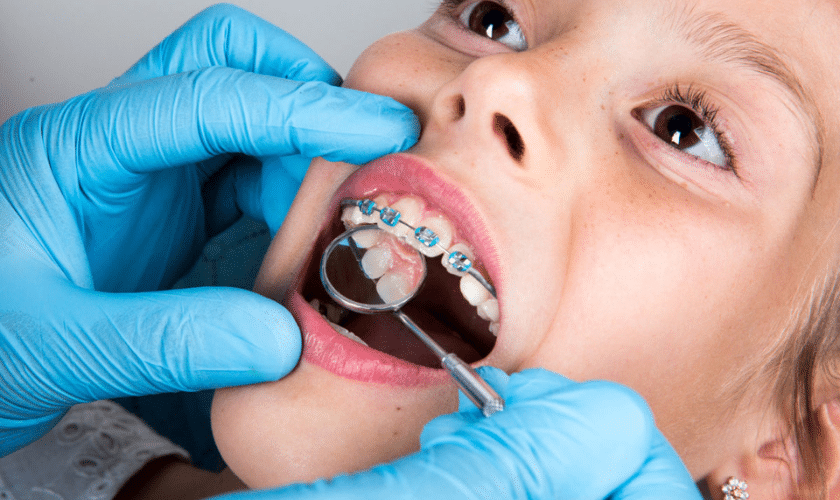

At your child’s dental check-up, the family dentist plays a crucial role. Dentists are often the first to spot early signs of orthodontic needs. Identifying these signs can prevent complex issues later. They look for crooked, crowded, or misaligned teeth. They notice bite problems, such as overbites or underbites, which can affect chewing and speaking. Early assessment is key to simpler treatments. A family dentist may refer you to an orthodontist in Atascocita, TX, for specialized care. These experts offer precise solutions. Addressing dental concerns early saves time and money. It also boosts your child’s confidence. Through regular check-ups, a family dentist ensures your child’s healthy smile. Your involvement as a parent matters. Encourage routine dental visits and listen to your dentist’s advice. Early intervention makes a difference. It leads to healthy teeth and a lifetime of confident smiles. Your child’s well-being is a shared priority.
Recognizing Early Warning Signs
Family dentists use their expertise to detect early orthodontic warning signs. They look for specific indicators that suggest potential problems. These include:
- Difficulty in chewing or biting
- Speech difficulties
- Mouth breathing
- Thumb sucking past the age of five
Each of these signs may point to underlying orthodontic issues. Dentists assess jaw growth, tooth formation, and the alignment of your child’s teeth. This helps them decide if intervention is needed.
The Importance of Early Detection
Identifying orthodontic needs early can simplify treatments. Early detection can prevent more serious problems from developing. This proactive approach can reduce the time your child might need to spend in braces or other corrective devices.
Regular Check-ups: A Preventive Measure
Routine dental visits allow dentists to monitor your child’s oral health. The American Dental Association recommends regular check-ups starting at a young age. This helps in early intervention and care.
Understanding Orthodontic Referrals
When a family dentist recognizes potential issues, they may refer you to an orthodontist. This specialized care ensures accurate diagnosis and treatment. The orthodontist uses advanced tools to create a treatment plan tailored to your child’s needs.
Comparison of Common Orthodontic Issues
| Orthodontic Issue | Description | Early Detection Benefits |
| Crowded Teeth | Teeth that overlap or are too close together | Prevents misalignment and decay |
| Overbite | Top teeth overlap bottom teeth | Improves bite and speech |
| Underbite | Bottom teeth overlap top teeth | Improves jaw alignment |
Parental Role in Orthodontic Health
Your involvement is crucial in maintaining your child’s dental health. Encourage good habits and regular dental visits. Discuss any concerns with your family dentist to ensure the best care for your child.
Conclusion
Family dentists are essential in identifying and addressing early orthodontic needs. By understanding the warning signs and keeping regular dental appointments, you can ensure your child’s dental health. Working with both your family dentist and an orthodontist, you can provide the best possible outcome for your child’s smile and confidence. Early intervention is key, and your active role can make all the difference.
