
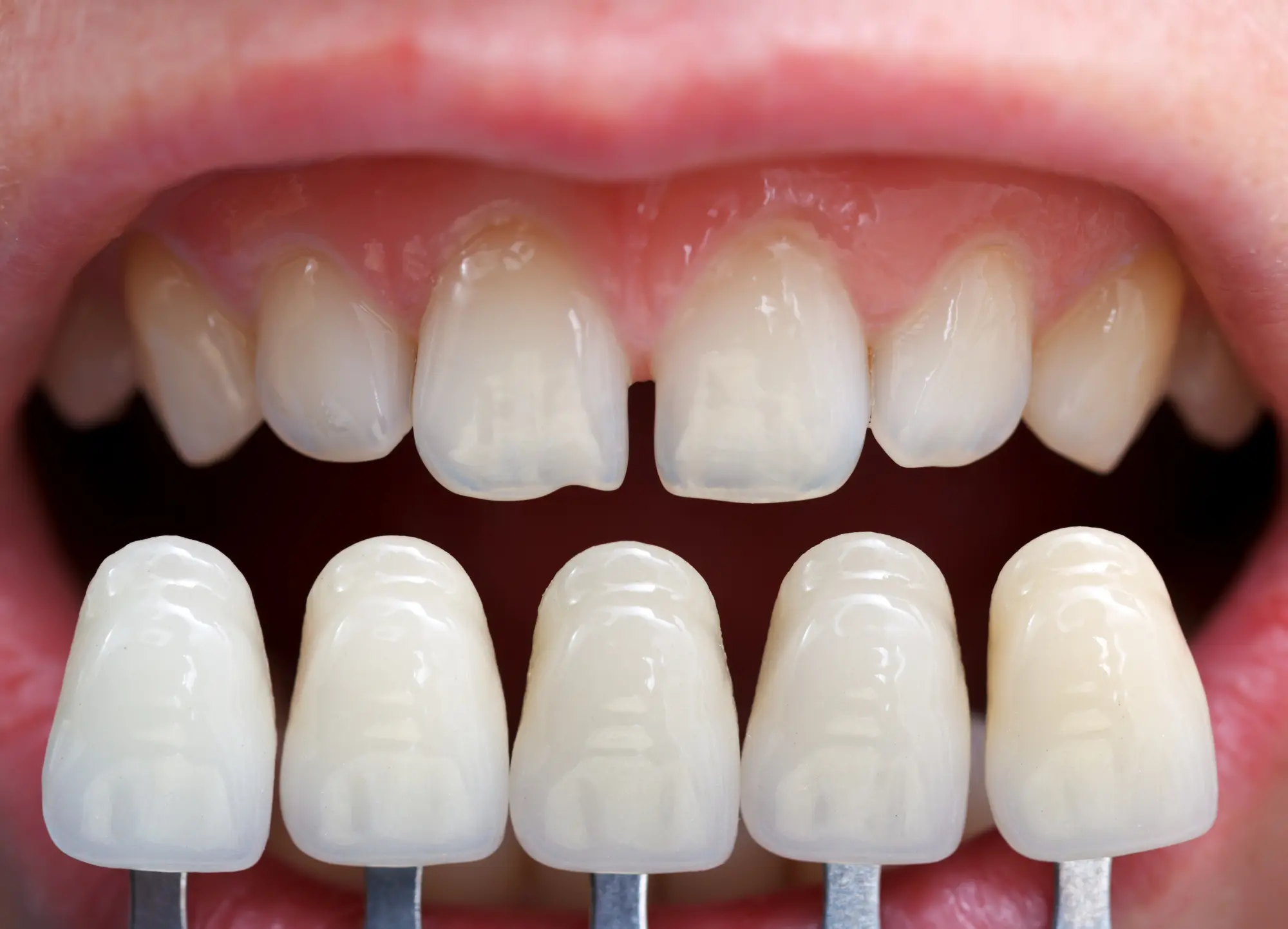

Considering a smile makeover? Veneers could be the answer. They are thin shells that cover your teeth to improve appearance. Often used in cosmetic dental services, veneers help in fixing issues like gaps, discoloration, and uneven shapes. You might wonder if veneers are right for you. Start by assessing your dental goals. Do you want whiter teeth? Are you correcting a chipped tooth? Veneers can solve these concerns. Yet, they aren’t the best fit for everyone. Understanding the procedure, cost, and maintenance is crucial. Veneers involve reshaping teeth and are a long-term commitment. It’s important to weigh the pros and cons. You’ll remove some enamel, so consider if you’re ready for a permanent change. Talk with your dentist, who can guide you based on your needs. Remember, a healthy smile boosts confidence and well-being. Make an informed choice and enjoy your new look.
What Are Veneers?
Veneers are custom-made, tooth-colored shells. They are designed to cover the front surface of teeth. These can be made from porcelain or resin. Porcelain veneers resist stains better. Resin veneers are thinner and require less removal of the tooth surface. The choice between the two depends on your preference and dental advice.
The Veneer Procedure
Getting veneers usually requires three visits to the dentist. Here’s what to expect:
- Consultation: Discuss your goals and what you want to achieve.
- Preparation: The dentist reshapes the tooth surface, then makes a mold of your teeth.
- Bonding: Veneers are permanently bonded to your teeth.
The entire process takes one to two weeks. It’s important to follow your dentist’s care instructions closely.
Veneers vs. Crowns
You might wonder how veneers compare with crowns. Here’s a simple comparison:
| Feature | Veneers | Crowns |
|---|---|---|
| Coverage | Front surface of teeth | Entire tooth |
| Material | Porcelain or resin | Porcelain, metal, or both |
| Purpose | Cosmetic improvement | Strengthen damaged teeth |
| Durability | Typically lasts 5-10 years | Can last 10-15 years |
Pros and Cons of Veneers
Making a decision involves weighing both sides. Here are some advantages and disadvantages:
Pros:
- Improves appearance quickly.
- Resistant to stains.
- Natural tooth appearance.
Cons:
- Irreversible procedure.
- Can become loose over time.
- Higher cost compared to other cosmetic options.
Costs and Considerations
Veneers can be an investment. Costs vary depending on the material and your location. Typically, they range from $800 to $2,500 per tooth. Insurance often doesn’t cover cosmetic procedures. Consider your budget and financing options. Discuss payment plans with your dentist if needed.
Long-Term Care for Veneers
Proper care extends the life of your veneers. Here are some tips:
- Brush and floss regularly.
- Avoid biting on hard objects.
- Visit your dentist for regular check-ups.
Regular maintenance ensures your veneers remain in good condition. The National Institute of Dental and Craniofacial Research offers guidance on maintaining oral health for long-lasting results.
Conclusion
Veneers offer an effective way to enhance your smile. Weighing the pros and cons with a dental professional is essential. Consider your goals, budget, and the commitment required. A beautiful smile can greatly improve quality of life, so make your decision with care and confidence.
