
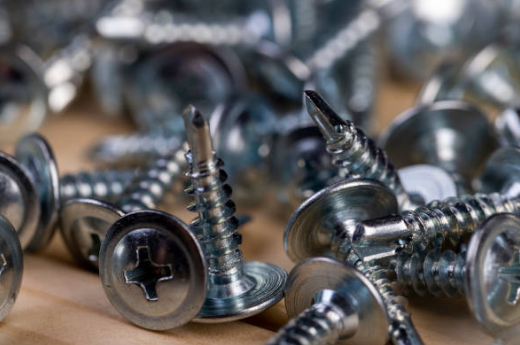

If you’ve ever used self-tapping screws, you know how quick and easy they make assembly work. With these tools, there’s no need for pre-drilling; just drive them in, and you’re done! But do these screws stay as secure as they seem, or is there a chance they could work themselves loose over time? Self-tapping screws have gained popularity for their convenience, but like any fastener, they’re not completely immune to loosening, especially under certain conditions. So, in this article, we’ll explore the ins and outs of self-tapping screws: what makes them different, why they sometimes loosen, and how you can keep them firmly in place.
What Are Self-Tapping Screws?
Self-tapping screws are a type of fastener that can create threads as they’re driven into the material. Unlike standard screws that require a pilot hole for threading, self-tapping screws do the job themselves by digging into the surface as they twist. This makes them especially useful in applications where you want to speed up assembly or reduce the need for additional tools. These screws are a go-to for materials like metal, plastic, or wood and are widely used across construction, automotive, and DIY projects because they offer convenience without compromising strength.
How Do Self-Tapping Screws Work?
Self-tapping screws are designed with a pointed tip or a notched cutting edge that allows them to bite into the material on contact. As you turn the screw, the threads cut grooves directly into the material. This secure fit is what keeps the screw tightly in place. In harder materials like metal, you may still need a starter hole (especially with tougher metals), but once the screw starts threading, it will lock into place without much force.
For lighter materials, like wood or certain plastics, self-tapping screws can go right in without any prep work. These screws create a tight hold by embedding their threads into the material itself, making them difficult to loosen. However, they can strip the material and weaken the bond if over-tightened. For best results, you want to apply steady, even pressure rather than forcing it in too quickly for best results.
Do Self-Tapping Screws Loosen?
Self-tapping screws can loosen over time, but it depends heavily on the conditions they’re in and how they were installed. Just like other fasteners, self-tapping screws are subject to things like vibrations, temperature changes, and material fatigue, which can cause them to slowly work their way out. However, they hold firmly for a long time when used correctly and in suitable materials.
Key Factors for Loosened Self-Tapping Screws
If you’ve ever wondered why a self-tapping screw that seemed perfectly tight starts loosening over time, it’s usually due to a few common factors. Let’s examine what causes self-tapping screws to lose their grip so you know what to watch out for.
Constant Vibrations
Vibrations are one of the main reasons self-tapping screws come loose. This is especially common in machines, vehicles, and appliances constantly moving or generating vibrations. Over time, these vibrations create tiny shifts in the material around the screw, which can weaken the grip and lead to loosening. When screws get repeatedly jostled, even minor shifts in their position can lead to a loosening effect.
Expansion and Contraction from Temperature Changes
Materials expand and contract when exposed to temperature changes, especially metals. Self-tapping screws installed in environments with temperature swings, like outdoor machinery or engines, are often affected by this process. As the material around the screw shifts with temperature changes, it slightly loosens the grip the threads have on the material. Over time, this movement can be enough to make the screw come loose.
Wear and Tear on Threads
With repeated use or exposure to stress, the threads in self-tapping screws and in the material they’re driven into can start to wear down. This is particularly true in softer materials like plastic or certain types of wood, where the threads might lose their definition over time. Once the threads start wearing out, the grip weakens, making it easier for the screw to work its way out.
Incorrect Installation or Over-Tightening
Driving in a self-tapping screw might seem simple, but even small mistakes during installation can lead to problems down the road. Over-tightening can strip the threads or compress the material, which reduces grip. Under-tightening, on the other hand, prevents the screw from ever getting a solid hold. The key is to install self-tapping screws with the right amount of torque, just until they’re snug, to avoid future loosening.
Type of Material
The material the screw is driven into plays a big role in how securely it holds. Softer materials like wood or plastic are more prone to screw loosening because they compress and wear down more easily. In contrast, harder materials like metal usually provide a stronger hold. However, even metals can gradually loosen over time in high-vibration or high-temperature conditions.
Load or Pressure on the Screw
Sometimes, the pressure or load on the screw affects how long it stays tight. For example, in furniture or structural applications, if the screw is bearing weight or holding something in place, it may gradually lose grip as the load shifts over time. Screws that bear loads in dynamic environments, like machinery, are particularly prone to loosening due to the constant force applied against them.
How to Prevent Self-Tapping Screws from Loosening
screwing a self-tapping screw into a metal fastening hole on a wood strip
If you’re dealing with self-tapping screws that won’t stay tight, keep in mind that there are effective ways to keep them secure. Besides, knowing a few tricks can go a long way in keeping your projects tight and stable.
Here are the tips to prevent self-tapping screws from loosening over time.
Use a Thread Locker
One of the most reliable ways to keep self-tapping screws in place is by using a thread-locking adhesive. These adhesives, commonly known as thread lockers, create a bond between the screw and the material it’s driven into. Just a small amount applied to the threads before installation helps to lock the screw in place. The adhesive dries once the screw is in place, forming a bond that resists vibrations and keeps the screw secure.
In addition, there are different types of thread lockers. Some are more permanent than others. For screws that might need to be removed later, use a medium-strength thread locker instead of a permanent one.
Add Lock Washers or Spring Washers
Lock washers, often in the form of split or spring washers, are a handy tool to prevent loosening. By placing these washers between the screw head and the material, they help create extra friction that keeps the screw in place. They’re excellent for high-vibration environments like machinery or vehicles, where screws are more likely to come loose over time.
Try Nylon or Metal Thread Inserts
Consider using a thread insert if you’re fastening into softer materials like wood or plastic. These inserts, often made of metal or nylon, provide a strong internal thread for the screw to grip onto. Metal inserts work well for repeated screw installation and removal, while nylon inserts add extra resistance to vibrations. Inserts strengthen the material around the screw, which helps prevent loosening due to wear and tear.
Opt for Self-Locking Nuts or Flanged Screws
Self-locking nuts, also known as nyloc nuts, contain a nylon collar that helps grip the screw thread securely. Flanged screws are another option. These screws have a built-in washer or flange on the screw head, which creates more surface area for the screw to hold onto. These features add extra stability, especially in high-pressure or load-bearing situations, and help prevent the screw from working its way out over time.
Choose the Right Size and Length of Screw
Selecting the right screw size and length is key. If a screw is too short or doesn’t have enough threads engaged, it won’t hold securely and is more likely to loosen. So, make sure the screw you’re using is the right size for the material and depth, as a snug fit provides the best resistance against vibrations and load.
Conclusion
Self-tapping screws can loosen over time, especially when exposed to movement, vibrations, or softer materials. But with the right approach, like selecting the correct screw type, using thread lockers, and reinforcing the material, these screws can hold firm. Knowing what causes loosening and how to prevent it helps keep your projects secure for the long haul. With the tips uncovered in this article, you can make sure your self-tapping screws stay locked in place!
At Zintilon, we provide high-quality self-tap screws designed to meet your needs. Don’t settle for less when it comes to quality. Contact us today to check out our range of self-tap screws!
